

Targeted Pain Relief Without Surgery
We offer guided cortisone and hydrodilatation injections to reduce pain, improve movement, and support your recovery, delivered by experienced physiotherapist Catherine Butler. Competitive prices, fast access, personalised care.
Our Injection Services
Cortisone Injections - £300
Reduce inflammation and relieve joint, tendon, or bursa pain
Useful when persistent pain limits movement or slows rehab
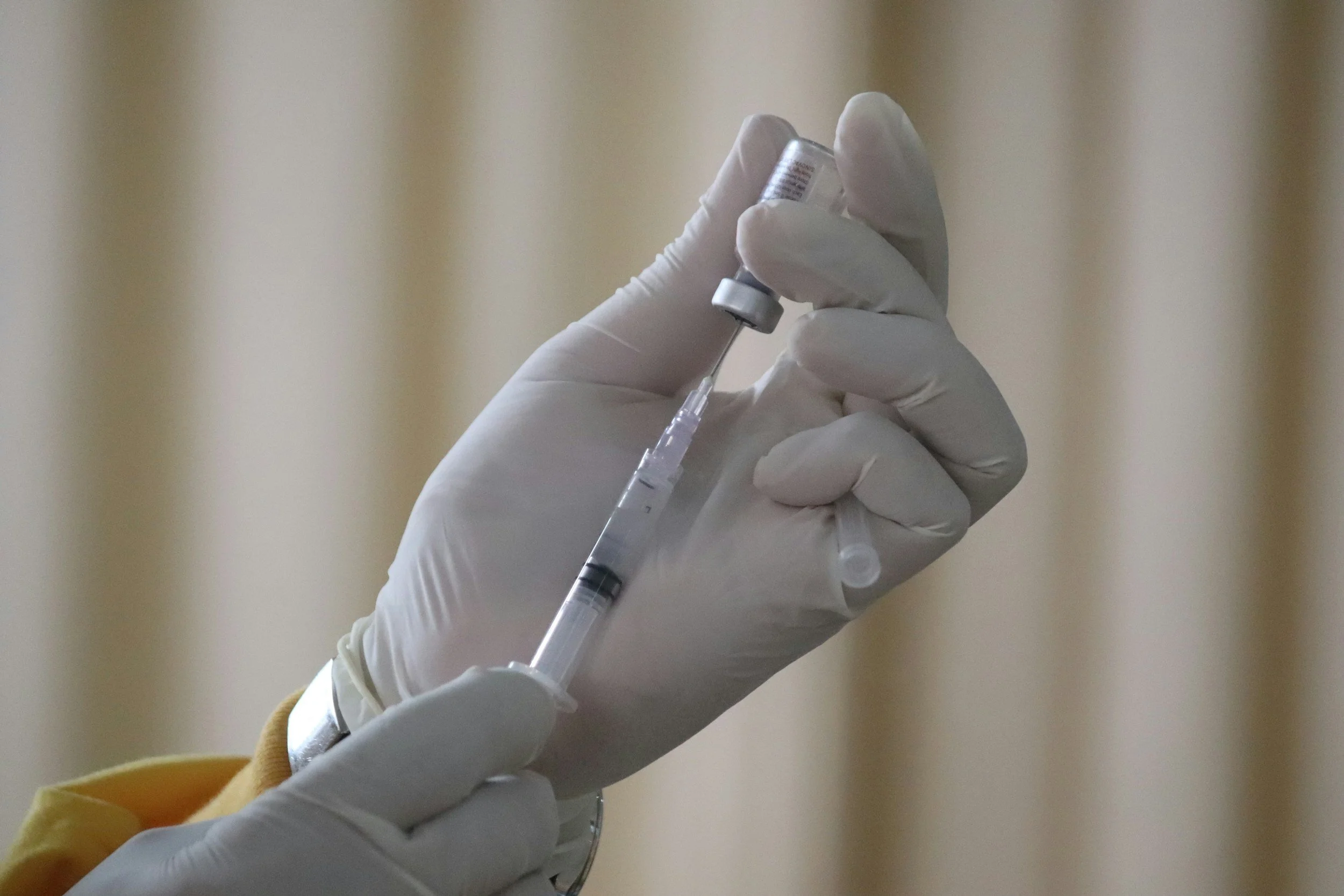
Administered directly into the affected area using a sterile, guided technique
Many patients notice relief within a few days
Supports engagement in physiotherapy and daily activities
Commonly used for:
Tendonitis
Bursitis
Joint irritation (shoulder, hip, knee, wrist)
Hydrodilatation - £400
Primarily used to treat frozen shoulder
Gently stretches the joint capsule with a sterile fluid under controlled pressure
Often combined with a local anaesthetic and anti-inflammatory medication
Helps improve range of motion and reduce pain
Most effective when combined with guided physiotherapy exercises
Supports long-term mobility and prevents stiffness returning

Who It’s For
-
Persistent joint pain not improving with physiotherapy
If you’ve been attending physiotherapy but feel like progress has plateaued, injection therapy may help reduce pain and inflammation enough to allow you to move forward. It can be particularly useful when pain is limiting your ability to fully engage in exercises or daily activities.
-
Frozen shoulder
Hydrodilatation is commonly used to treat frozen shoulder, especially when stiffness and pain are significantly restricting movement. The procedure helps stretch the joint capsule, which can improve mobility and make rehabilitation exercises more effective.
-
Tendinopathies or bursitis
Conditions such as shoulder, hip, knee, or wrist pain caused by tendon irritation or inflamed bursae can respond well to cortisone injections. By settling inflammation, injections can help reduce pain and create a better window for strengthening and recovery.
Your Practitioner
Catherine Butler: Injection Therapist
Orthopaedic Specialist
Physiotherapist
Independent Prescriber
CSP and HCPC Registered
PG Cert Medicines Management & Injection Therapy
Catherine works closely with our physiotherapy team to ensure your injection is part of a wider recovery plan.
Physiotherapy assessment and treatment can be provided separately where required.
Your Journey
-
Initial Assessment
Your appointment begins with a thorough assessment of your symptoms, medical history, and previous treatment. We’ll discuss your goals and determine whether injection therapy is appropriate for you. If needed, we may recommend continuing with physiotherapy alone or exploring alternative options.
-
Injection Appointment
If suitable, your injection will be carried out in a safe, clinical environment by Catherine, a qualified physiotherapist trained in injection therapy. The procedure will be fully explained beforehand, including what you may feel during and after. We take a calm, patient-focused approach to ensure you feel comfortable throughout.
-
Aftercare & Rehab
Following your injection, you’ll receive clear aftercare advice and guidance on activity levels to help you recover safely and confidently. If appropriate, we may recommend a tailored physiotherapy plan to support your longer-term progress and help you get the most from your treatment. Physiotherapy sessions are not included but can be booked separately if needed.
FAQs
Does the injection hurt?
Most patients experience mild discomfort during the injection, but it is usually very quick and well tolerated. We will talk you through the process beforehand so you know exactly what to expect.
How quickly will it work?
This can vary depending on the condition being treated. Some people notice improvement within a few days, while for others it may take a couple of weeks. Hydrodilatation for frozen shoulder may also lead to gradual improvements in movement over time.
Do I still need physiotherapy?
In most cases, yes. Injection therapy is most effective when combined with a structured rehabilitation programme to address the underlying cause of your symptoms and reduce the likelihood of recurrence.
Are there any risks?
As with any medical procedure, there are some risks, such as temporary soreness, infection, or a short-term increase in pain. These will be fully discussed with you during your assessment so you can make an informed decision.
Do I need a GP referral?
In most cases, no referral is needed. However, if required, we can liaise with your GP or consultant to ensure you receive the most appropriate care.
Start your injection therapy journey today.
Tell us a little about your symptoms and we’ll be in touch to discuss whether cortisone or hydrodilatation injection therapy is suitable for you and your next steps.
Your information will be kept secure and only used to respond to your enquiry. We will never share your details with third parties.